How to Build a Bug Out Bag: The Complete Step-by-Step Guide for Beginners
A bug out bag could save your life. This complete beginner's guide covers exactly what to put in a 72-hour bug out bag — with weight limits, prioritized packing lists, and the most common mistakes to avoid.
How to Build a Bug Out Bag: The Complete Step-by-Step Guide for Beginners
A wildfire moved 5 miles in 90 minutes in Northern California in 2018. Residents had almost no warning. The people who evacuated safely had two things in common: they left early, and they had their essentials ready to go.
A bug out bag — a pre-packed, 72-hour emergency kit — is the single most practical preparedness tool you can own. When disaster requires you to leave in minutes, you don't have time to think. You just grab the bag and go.
What Is a Bug Out Bag?
A bug out bag (BOB) — also called a 72-hour kit, go bag, or GOOD bag (Get Out Of Dodge bag) — is a backpack pre-loaded with the supplies you need to survive for 72 hours if forced to leave your home immediately.
Your bug out bag is your bridge — between leaving home and finding stable ground.
The Bug Out Bag Philosophy: Every Ounce Is a Decision
A 60-pound bag is not a bug out bag — it's a burden that will slow you down, cause injury, and exhaust you before you reach safety.
The weight rules:
- Maximum: 25% of your body weight
- Target: Under 25 pounds for most adults
- Ideal: Under 20 pounds
Step 1: Choose Your Bag
| Bag | Capacity | Price | Best For | |-----|---------|-------|---------| | 5.11 Rush 72 | 55L | ~$135 | Most users — excellent organization | | Maxpedition Falcon-II | 27L | ~$170 | Lighter builds, urban use | | Osprey Atmos AG 50 | 50L | ~$270 | Comfort over long distances | | MOLLE Assault Pack | 45L | ~$50 | Budget option |
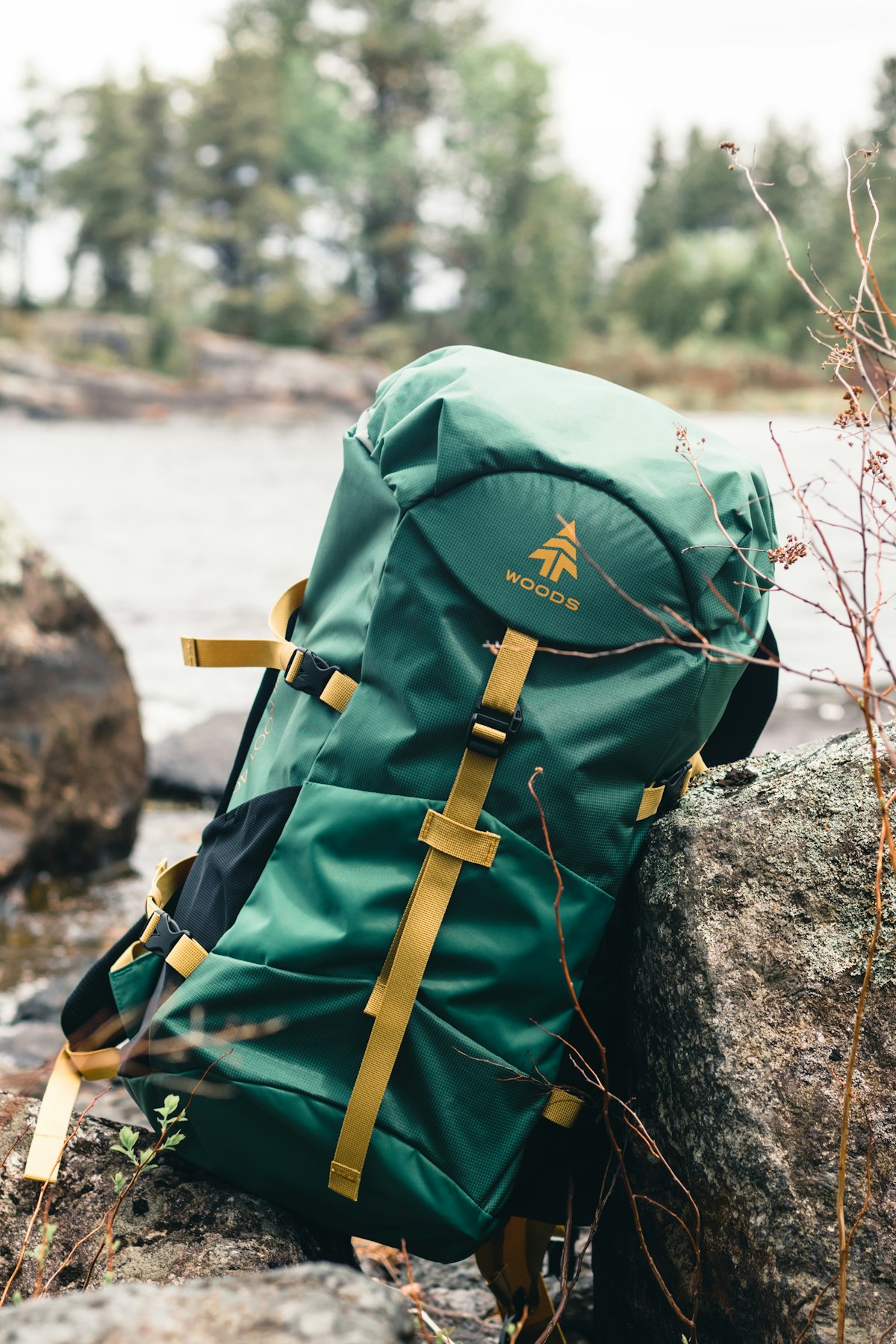
What to look for: 40–65L capacity, internal frame, padded hip belt, 500D–1000D nylon, YKK zippers, earth tone colors.
👉 Get the Morakniv Companion on Amazon (~$25) — Every bug out bag needs a quality fixed-blade knife. This is the best value survival knife available.
Step 2: The Complete Bug Out Bag Packing List
Priority 1: Water
- Sawyer Squeeze water filter
- 2× Nalgene 32oz bottles
- Aquatabs purification tablets (20 count)
- Stainless steel single-wall canteen (can boil in it)
- Collapsible 2L water bladder
Carry: 2 liters minimum on departure. Resupply from natural sources using your filter.
Pro Tip: A stainless steel single-wall bottle doubles as a cooking vessel. You can boil water in it directly over a fire — eliminating the need for a separate pot when traveling solo.
👉 Get the LifeStraw Personal Water Filter on Amazon (~$15) — Filter 1,000 gallons from any water source. Essential for every bug out bag.
Priority 2: Shelter & Warmth
- SOL Escape Bivvy (waterproof-breathable, adds 10°F of warmth)
- Lightweight silnylon tarp, 8×10 minimum
- 50ft paracord (ridgeline)
- 8× lightweight tent stakes
- Emergency mylar blankets × 4
Priority 3: Fire Starting
- BIC lighters × 2 (in waterproof bag)
- Überleben Zünden ferro rod
- UCO Stormproof Matches (full box)
- Petroleum jelly cotton balls × 20 (in film canister)
- Fatwood fire starters × 6
Pack location: External pocket or top of main compartment — accessible to cold, wet, shaking hands.
👉 Get the Überleben Zünden Fire Starter on Amazon (~$18) — Never leave home without a ferro rod. Works wet, at altitude, and in extreme cold.
Priority 4: Navigation
- Laminated topographic map of your region (with bug-out routes pre-marked)
- Silva Ranger 2.0 baseplate compass
- Fox 40 Micro emergency whistle
- Signal mirror (M-587 mil-spec)
Pro Tip: Before you need to evacuate, plan two bug-out routes from your home. Mark them on your laminated map. Know where you're going before the emergency.
Priority 5: First Aid
- Adventure Medical Kits Ultralight 3.0 (base kit)
- CAT Tourniquet (learn to apply before you pack it)
- Israeli pressure bandage
- QuikClot advanced clotting gauze
- Wound closure strips (Steri-strips)
- Moleskin + Leukotape (blisters over distance = debilitating)
- Personal medications (7-day supply minimum)
Pro Tip: Blisters are not minor in a bug-out scenario. Walking 20+ miles on untreated blisters becomes genuinely debilitating. Pack Moleskin and Leukotape and apply preventively — not reactively.
Priority 6: Food
Target: 1,800–2,500 calories per day. You'll be under stress and possibly moving — don't underestimate caloric need.
- Calorie bars (Mainstay 3600 — 3,600 calories per package)
- Freeze-dried meal pouches × 4
- Protein bars × 6
- Peanut butter packets × 6
- Jerky or meat sticks × 6
- Trail mix / nuts
- Instant coffee or tea
- Titanium spork + 900ml titanium pot
👉 Get the Goal Zero Nomad 10 Solar Panel on Amazon (~$75) — Keep your devices charged during any extended evacuation. Folds flat, clips to your pack.
Priority 7: Light & Power
- Black Diamond Spot 400 headlamp + extra batteries
- Fenix PD36R tactical flashlight
- Small solar charger panel
- Anker 20,000mAh power bank
- USB charging cables
Priority 8: Tools
- Mora Companion fixed-blade knife
- Leatherman Wave+ multi-tool
- Silky Pocketboy folding saw (~$35)
- Duct tape (small roll)
- Heavy-duty zip ties × 20
- Repair kit (needle, thread, patch material)
- N95 masks × 4
Priority 9: Communication & Documents
- Midland ER310 NOAA hand-crank weather radio
- Motorola T600 waterproof FRS radio pair
- Waterproof document pouch with:
- Copies of IDs, insurance, birth certificates
- Emergency contacts list (written, not on phone)
- Medical information and prescriptions
- Bank account and card numbers
- $200–$300 cash in small bills
Pro Tip: Program your GMRS radio to local emergency channels before packing. Also agree on a family frequency so everyone knows how to reconnect if separated.
Priority 10: Hygiene & Sanitation
- Travel hand sanitizer × 2
- Compressed toilet paper tablets
- Trowel (cat holes 200 feet from water)
- Wet wipes × 30
- Feminine hygiene supplies (if applicable)
- Toothbrush + small toothpaste
Step 3: Pack Your Bag Correctly
| Zone | What Goes Here | |------|---------------| | Bottom (furthest from back) | Shelter, sleeping system, clothing | | Middle (center, close to spine) | Heaviest items — food, water, tools | | Top (main compartment) | First aid, rain gear, quick-access items | | External pockets | Fire starting, filter, compass, snacks | | Hip belt pockets | Navigation, phone, energy snacks |
Core principle: Heavy items close to your spine and high in the pack. Keeps your center of gravity over your feet and reduces fatigue over long distances.
Step 4: Know Your Bug-Out Routes
Before you need to evacuate, establish:
- Primary route — First choice out of neighborhood and region
- Secondary route — Alternate if primary is blocked
- Meeting point — Where your family reunites if separated
- Destination — Where you're going
Mark both routes on your laminated topo map. Practice them.
Bug Out Bag Maintenance Schedule
| Task | Frequency | |------|-----------| | Check batteries and replace if low | Every 6 months | | Rotate food | Every 12 months | | Check medical supply expiration | Every 6 months | | Update documents | After any life change | | Test all equipment | Every 6 months | | Take bag on a loaded hike | Once per year |
Most important maintenance: Take your bag on a 5–8 mile day hike at least once per year with full contents. You'll immediately identify what fits poorly, what you forgot, and where you're physically unprepared.
Complete Weight Example
| Category | Items | Weight | |----------|-------|--------| | Bag | 5.11 Rush 72 | 3.5 lbs | | Water | 2× Nalgene + Sawyer | 2 lbs | | Shelter | SOL bivvy + tarp + paracord | 2.5 lbs | | Fire | Lighters + ferro + matches + tinder | 0.5 lbs | | Navigation | Map + compass + whistle + mirror | 0.4 lbs | | First Aid | AMK + CAT + Israeli bandage | 1.5 lbs | | Food | 3-day supply | 4 lbs | | Light & Power | Headlamp + flashlight + power bank | 1.5 lbs | | Tools | Mora + Leatherman + folding saw | 1.5 lbs | | Communication | NOAA radio + documents + cash | 1 lb | | Hygiene | Minimal kit | 0.5 lbs | | Clothing | 1 change + rain layer | 2 lbs | | Total | | ~21 lbs |
Common Bug Out Bag Mistakes
Mistake 1: Too heavy. Test your bag's weight before you need it. If you can't carry it for 3+ hours comfortably, strip weight.
Mistake 2: Gear you don't know how to use. Practice with everything in your bag. A compass is useless unpracticed. A tourniquet is dangerous if applied incorrectly.
Mistake 3: No water procurement plan. 2 liters is your starting supply, not your full supply. Know how you'll resupply.
Mistake 4: No documents or cash. Digital doesn't work when infrastructure fails. Written contacts, physical document copies, and cash are non-negotiable.
Mistake 5: One bag for the whole family. Every capable family member needs their own. Children over 8 can carry a 5–10 lb version.
Frequently Asked Questions
How long does it take to build a bug out bag? A functional basic bag in a single day for under $200. Building it fully takes 2–4 weeks of gathering quality items.
Should I keep it at home or in my car? Both ideally — full bag at home near the exit, smaller "get home bag" in your vehicle.
What's the most important item? Water procurement — a quality filter. You can improvise most needs; clean water isn't one of them.
Can I use a hiking backpack? Absolutely. A quality hiking pack is often better for long-distance carry than any tactical pack.
Do I need a bug out bag in a city? Yes — perhaps more urgently. Urban disasters (building fires, chemical spills, infrastructure failure) may require rapid evacuation with zero time to gather supplies.
Related Articles
Enjoying this guide?
Browse our favorite recommended products.
As an Amazon Associate I earn from qualifying purchases.
Our editorial team consists of experienced survivalists, wilderness instructors, and emergency preparedness professionals. All content is reviewed for accuracy and practical applicability.
Ready to Get Prepared?
Browse all our survival guides, checklists, and gear recommendations.